Skip to content

custom glass jars

The measured phrase custom glass jars is a buyer matching signal, not a roster this service publishes. Use it to write fill, line and destination constraints so factories quote the same application, then decide whether a heavier glass, a different neck finish or a plastic alternative actually fits the line.

Request Factory Quotes
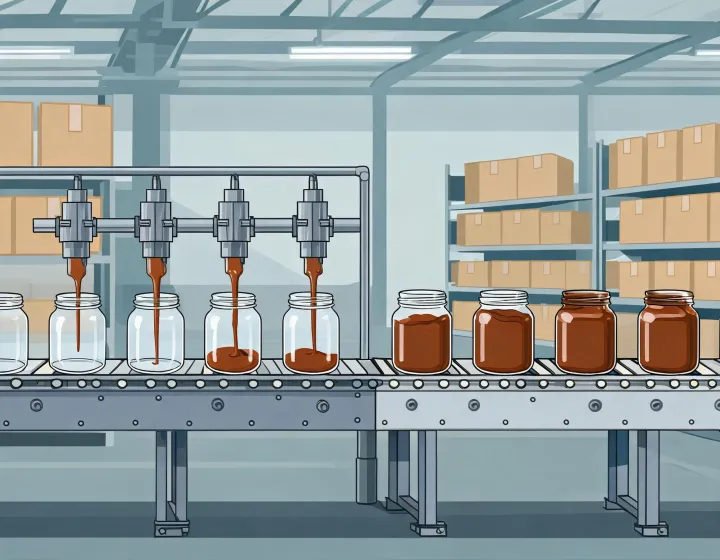
Illustrated filling line placing sauces into custom glass jars, not a storefront map
Application drawing only. Destination freight still needs the receiving ZIP in the inquiry.

Application notes that change the RFQ

Food sauces and pickles

Name the fill temperature, vacuum or lug closure, and whether ink sits near a food contact surface. A 3.785 L gallon jar that must survive a pallet stack is a different brief from a 16 oz table jar. BRCGS Packaging or mill hygiene statements belong to the named plant. They are not site badges.

Limitation: a recyclable glass look does not replace a migration testing file. PCR cullet share is a batch declaration to verify, not a marketing sentence on this page.

Personal-care and home fragrance

Cream jars, reed-diffuser vessels and candle cups are separate constructions from a wide-mouth food gallon. Write wettable parts, inner bowls and child-resistant closures as their own quote lines when they are not part of the jar blank.

Limitation: we do not book ocean freight. Incoterms and document sets stay on the commercial offer you later sign with a named supplier.

Industrial dry goods and ingredients

State residual-content rules, liner chemistry and whether the same mould must serve several artworks. Opening force and carton flute profile change when the jar ships as a reusable ingredient container rather than a retail pack.

Limitation: we do not run drop tests. Ask the plant whether its annealing record or a packed-box protocol is the document it will attach.

Export hospitality and subscription packs

Call out miniature capacities, mixed SKUs on one pallet and whether decoration is only a SKU mark. Digital print versus flexographic printing is a run-length decision: short, changing SKUs versus a frozen long run.

Limitation: color on uncoated kraft will not match a coated folding-carton proof. Ask for a printed sample on the quoted board, not on a white mock-up.
Selector checklist before you send the brief

Tick the items you already know. Unticked items stay as questions on the form. The boxes do not submit data; they are a writing aid.

Two disputes often appear here. First, glass can fit inert-contact and shelf presentation, while plastic can cut shipping weight and breakage; oxygen transmission rate through a plastic wall is not a glass number. Second, digital print can lower plate cost on short art changes, while flexographic printing or gravure printing often holds spot color on a long frozen run. Write which side of each pair you are willing to accept before plants guess.

A third comparison belongs on export lines: a heavier glass can survive a pack-out and still raise freight. Keep the method the plant actually tests. See Material Options if PCR cullet or paper-versus-plastic shippers are still open.

Write the application into the inquiry

Use the same fields as the site form. No upload control exists; say that a jar drawing will follow. We do not advertise a reply window because intake timing is not configured on this site.

Write product format and intended contents; quantity by specification or artwork (pieces, cartons or pallets); material, size, barrier or board grade for the jar and its pack-out; print colors, finish and sample needs; destination state or postal code and requested delivery date; required product documents such as food-contact statements and migration testing files from the named plant. Optional target budget with currency and unit or whole-order basis; optional supplier preference (high-end, mid-range, budget or undecided). Drawings can be described after we reply; this form has no upload field.